High‑Quality Furniture Guide: How to Spot Premium Pieces That Last
When you’re investing in new furniture, it’s not just about looks or price—quality matters. But how can you tell if a piece of furniture is high-quality or just made to look expensive? With so many options available both online and in stores, knowing what sets premium furniture apart from cheap imitations can save you money and frustration in the long run.
In this guide, we’ll walk you through the key indicators of high-quality furniture construction, materials, and craftsmanship so you can make confident and informed buying decisions.
1. Solid Construction: The Foundation of Durability
High-quality furniture starts with a strong and stable frame. Whether it’s a sofa, bed, or dining table, the internal structure matters more than what’s on the surface.
What to Look For:
- Solid wood or hardwood frames (like oak, teak, or maple)
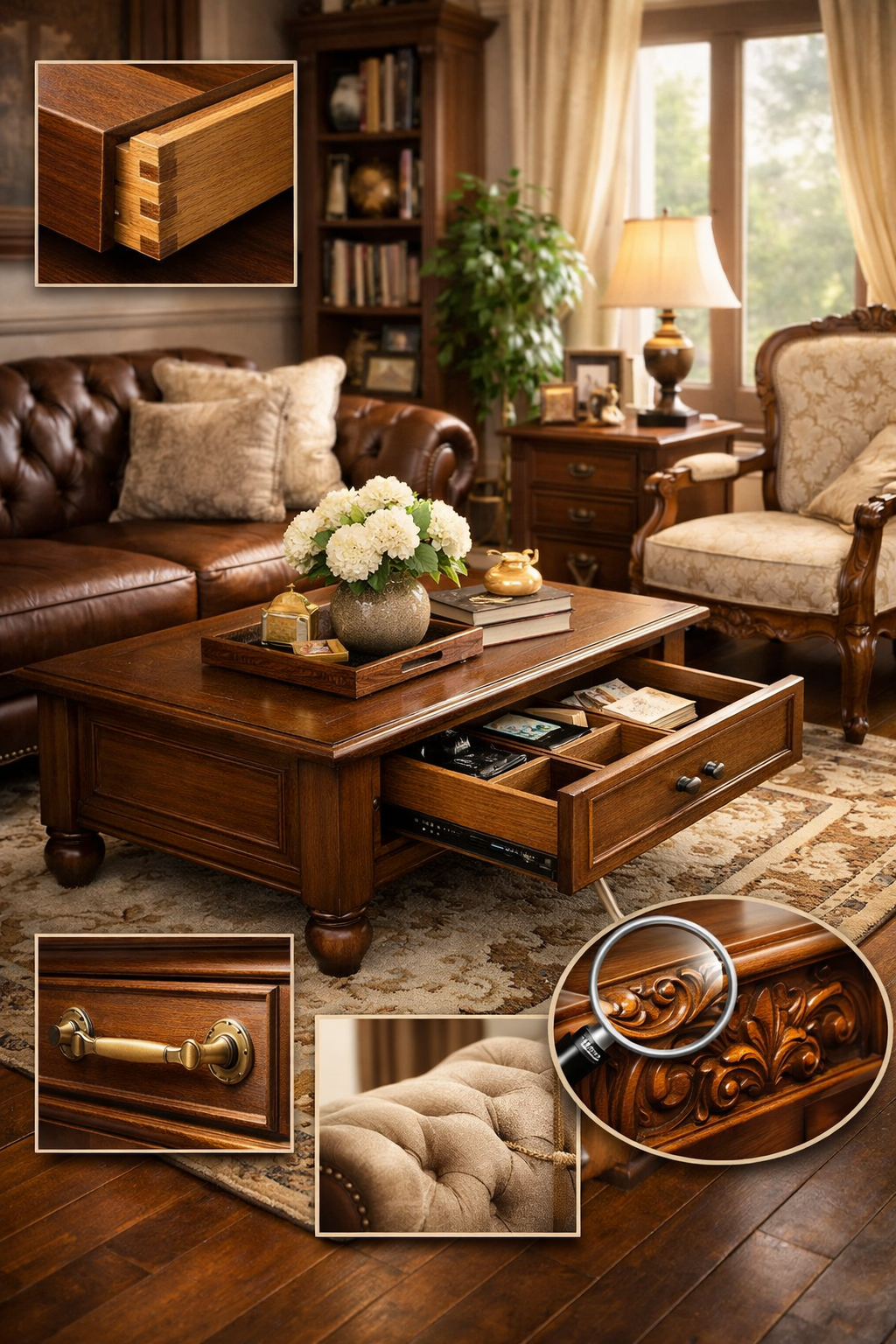
- Mortise and tenon or dovetail joints instead of glue or staples
- Reinforced corners and heavy-duty hardware
- Even legs — no wobbling when placed on a flat surface
Pro Tip:
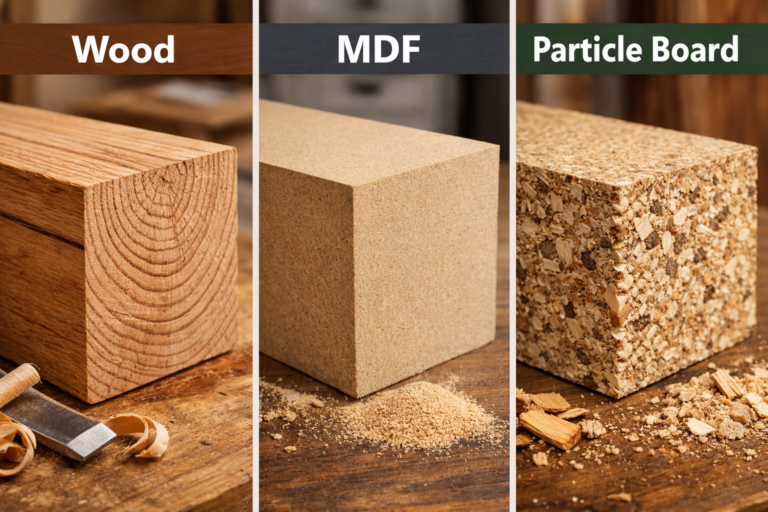
Tap or lift the furniture. If it feels lightweight and hollow, it’s likely made with cheap materials like particle board. Solid, heavy pieces usually indicate better quality.
2. Material Matters: Quality over Hype
Good furniture uses materials that not only look great but also stand the test of time.
For Wooden Furniture:
- Choose hardwoods like oak, sheesham, or walnut
- Avoid untreated particle board or low-density MDF unless sealed or laminated
- For Upholstered Pieces:
- Check for high-density foam in cushions for long-lasting comfort
- Look for kiln-dried wood frames for resistance to warping
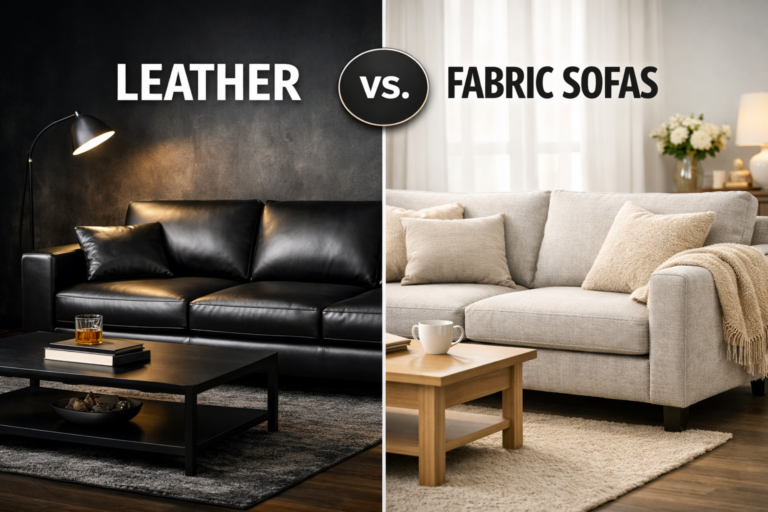
- Fabrics should be tightly woven and durable (e.g., microfiber, leather, performance fabric)
3. Attention to Detail: Signs of Superior Craftsmanship
High-end furniture is often defined by its finishing and precision. Check the little details—they reveal a lot.
Quality Indicators:
- Smooth, even finish with no blotches or rough patches
- Symmetrical stitching and well-aligned patterns in upholstery
- Drawers that slide smoothly and sit flush when closed
- Consistent color tones in wood and minimal visible hardware (unless it’s decorative)
Red Flags:
- Rough edges, bubbling laminate, or uneven paint/stain
- Loose handles or squeaky hinges
- Gaps or misaligned seams in upholstered furniture
4. Comfort & Functionality: Not Just Looks
Furniture should feel as good as it looks. Try before you buy whenever possible, especially for sofas, beds, and chairs.
Comfort Checklist:
- Seat cushions should offer support without sagging
- Backs of chairs/sofas should offer proper lumbar support
- Extendable tables, recliners, and storage beds should operate smoothly and quietly
5. Warranty & Brand Reputation: The Long-Term View
Quality brands stand behind their products. A good warranty reflects confidence in the materials and build.
Ask These Questions:
- Is there a warranty on the frame, upholstery, or mechanical parts?
- Does the brand have verified customer reviews?
- Is the product sourced from a reliable manufacturer?
Final Thoughts: Invest in What Lasts
While high-quality furniture may cost more upfront, it pays off in durability, comfort, and timeless design. By paying close attention to construction, materials, craftsmanship, and brand reputation, you’ll avoid poor investments and enjoy your furniture for years to come.