
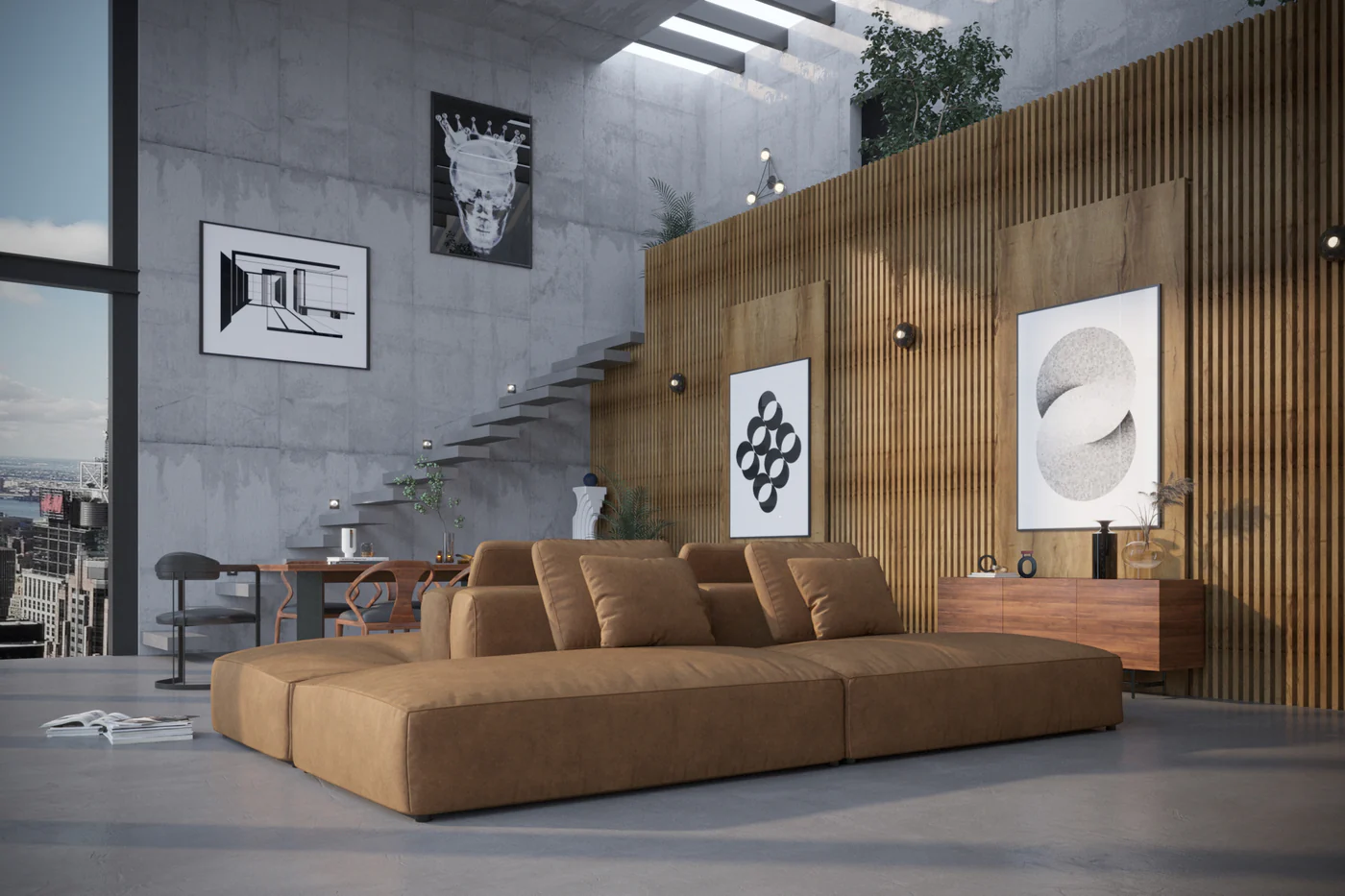
Modern vs. Contemporary Furniture: What’s the Difference?
When shopping for furniture or redecorating your home, you’ve likely come across the terms modern and contemporary. While these styles are often used interchangeably, they represent two distinct design philosophies. Understanding the difference between modern vs. contemporary furniture can help you make the right choices for your space and style preferences.
In this guide, we’ll break down the core differences, similarities, and key characteristics of each to help you choose the perfect look for your home.
What Is Modern Furniture?
Modern furniture refers to a specific design style that originated in the early to mid-20th century, heavily influenced by the modernist movement of the 1920s–1950s. It emphasizes:
- Simplicity and clean lines
- Natural materials like wood, leather, and linen
- Neutral color palettes
- Function over form
Key Features of Modern Furniture:
- Straight, clean lines with little ornamentation
- Open space and uncluttered layouts
- Materials like teak, walnut, metal, and glass
- Emphasis on functionality and craftsmanship
- Iconic silhouettes (e.g., Eames chairs, Barcelona chairs)
Modern furniture is timeless, structured, and ideal for those who appreciate sleek minimalism with a touch of retro charm.
What Is Contemporary Furniture?
Contemporary furniture is all about what’s current. It reflects trends of the present moment, meaning it’s constantly evolving. Contemporary designs pull from multiple styles, including modern, industrial, Scandinavian, and even art deco.
Key Features of Contemporary Furniture:
- Mix of textures and materials (e.g., metal with wood or glass)
- Neutral colors with bold accent tones
- Curved edges, smooth surfaces
- Eco-friendly or sustainable options
- Flexibility to evolve with new trends
Contemporary furniture works well for those who want a fashion-forward, flexible design that feels fresh and up-to-date.
Modern vs. Contemporary Furniture: Side-by-Side Comparison
| Feature | Modern Furniture | Contemporary Furniture |
| Time Period | 1920s–1950s (Mid-century Modern) | Present-day, ever-evolving |
| Style Focus | Form + function, simplicity | Trend-driven, expressive |
| Lines & Shapes | Straight, clean, geometric | Curved, flowing, varied |
| Materials | Wood, leather, natural elements | Mix of metals, glass, fabric, wood |
| Colors | Neutral (beige, white, brown) | Neutral + pops of color |
| Overall Look | Minimalist, grounded, timeless | Trendy, artistic, adaptable |
Choosing between modern vs. contemporary furniture comes down to your personal preferences, lifestyle, and the overall aesthetic of your home.
Go for Modern if you love:
- Clean, structured environments
- Timeless pieces with historical influence
- Natural materials and simplicity
Pro Tips for Shopping Modern or Contemporary Furniture
- Define your design goal: Know whether you’re aiming for a timeless or trend-forward look.
- Shop by collection: Many retailers organize collections by style (Modern, Contemporary, etc.).
- Mix strategically: You can blend both styles—just stay cohesive with color and form.


