Ergonomic Furniture Buying Tips for Better Posture & Comfort
In today’s work-from-home and screen-heavy lifestyle, ergonomic furniture is no longer a luxury—it’s a necessity. Whether you’re working long hours at a desk, lounging in your living room, or helping your kids with homework, the right furniture can significantly improve your posture, productivity, and overall comfort.
This guide will help you make smart choices when shopping for ergonomic furniture that supports your body, fits your lifestyle, and enhances your living or work space.
What Is Ergonomic Furniture?
Ergonomic furniture is specifically designed to support the natural alignment of the body, reduce strain, and promote healthy posture. It helps you sit or work in positions that are comfortable, balanced, and sustainable over time.
Why Ergonomics Matter
Poor posture can lead to chronic back pain, neck stiffness, fatigue, and even reduced productivity. Whether at work or home, investing in furniture designed for posture support can help prevent these issues and improve your overall well-being.
What to Look for When Buying Ergonomic Furniture
1. Ergonomic Office Chairs
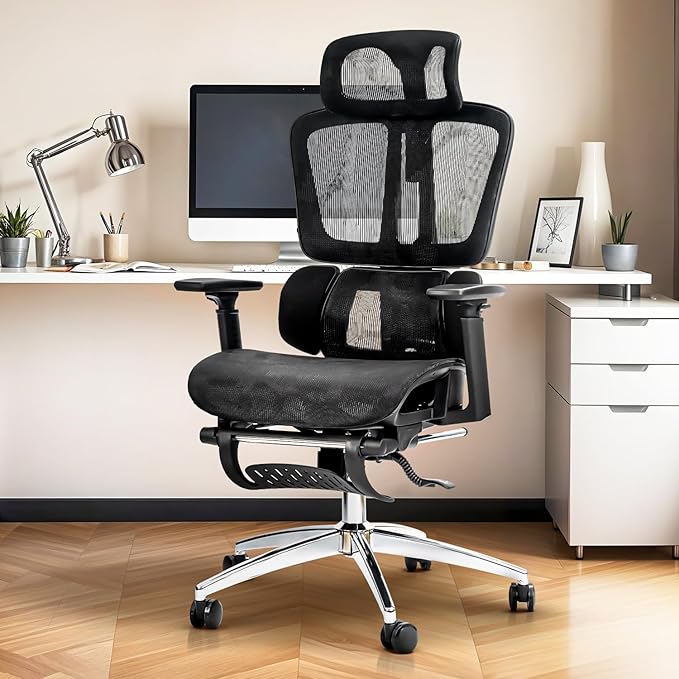
A high-quality ergonomic office chair is essential for anyone spending hours at a desk. Look for:
- Adjustable seat height
- Lumbar support for lower back
- Padded armrests
- Tilt and recline functions
- Breathable material
2. Height-Adjustable Desks
Standing desks or height-adjustable desks allow you to alternate between sitting and standing throughout the day, improving circulation and reducing fatigue.
- Choose a desk that adjusts smoothly
- Ensure a stable work surface
- Consider desks with memory presets for height
3. Ergonomic Sofas and Lounge Chairs
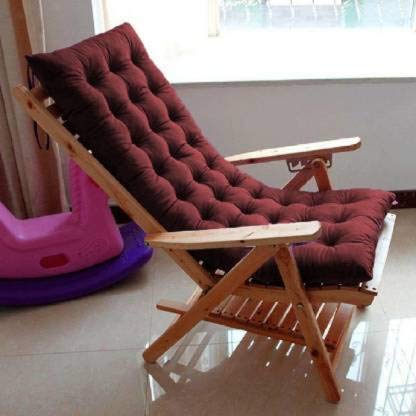
Comfort doesn’t stop at the office. A supportive sofa or recliner can ease pressure on your spine while relaxing.
- Look for high-back sofas with neck and lumbar support
- Choose firmer cushions over soft, sinking ones
- Opt for recliners with adjustable headrests and footrests
4. Supportive Beds and Mattresses
Even your bed should be ergonomically sound. Choose orthopedic or memory foam mattresses that align with your sleep style and provide proper spinal support.
5. Accessories That Improve Ergonomics
Enhance your setup with accessories like:
- Footrests to reduce leg pressure
- Monitor stands to keep screens at eye level
- Keyboard trays for wrist alignment
- Cushions or posture correctors for added support