
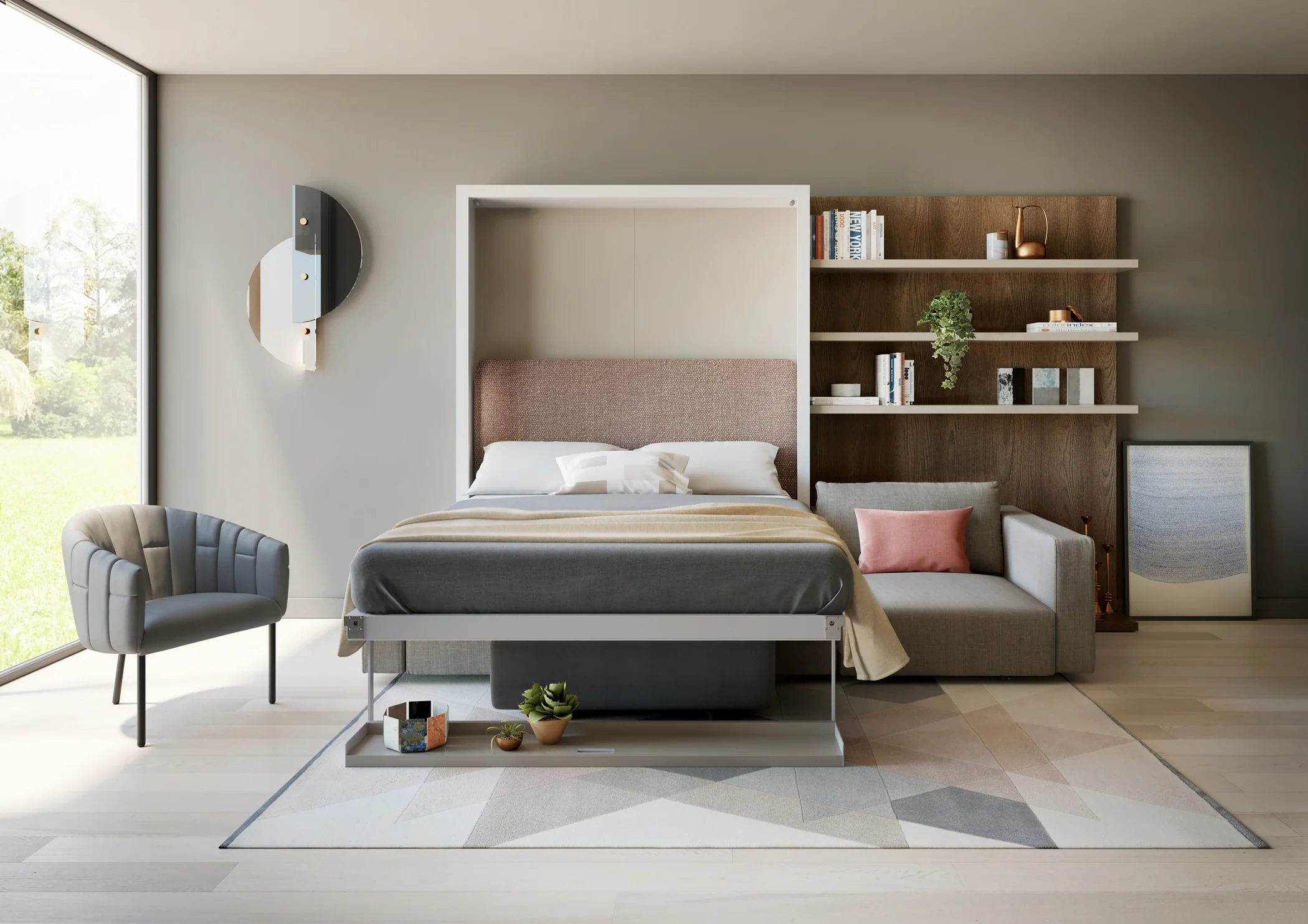
How to Achieve a Scandinavian Look with Your Furniture
The Scandinavian furniture style has taken the world by storm — and for good reason. Known for its simplicity, functionality, and minimalist beauty, Scandinavian interior design creates serene spaces that feel both warm and modern. If you’re aiming to transform your home with Scandinavian-inspired furniture, this guide will show you how to do it effortlessly.
Let’s explore the key characteristics, furniture choices, and styling tips that will help you achieve the perfect Scandinavian look in any room.
What Is Scandinavian Design?
Originating from countries like Sweden, Denmark, and Norway, Scandinavian design focuses on clean lines, neutral tones, and functional pieces that create a sense of calm and comfort. It blends minimalism and coziness (or hygge, as the Danes call it), making it one of the most popular interior design styles today.
Key Elements of Scandinavian Furniture
To create a truly Scandinavian-inspired interior, focus on these core elements:
1. Clean Lines & Minimalist Silhouettes
Scandinavian furniture is known for its streamlined shapes and clutter-free designs. Avoid heavy, ornate details and opt for pieces that are sleek and functional.
Best furniture choices:
- Simple wooden coffee tables
- Low-profile sofas with tapered legs
- Minimalist sideboards and storage units
2. Light Wood Tones
Pale woods like birch, pine, and ash are staples in Scandinavian design. They add warmth while keeping the space light and airy
3. Neutral Color Palette with Soft Contrasts
A typical Scandinavian color scheme includes:
- White
- Light gray
- Beige
- Soft blues and muted greens
You can add warmth and contrast with accents in black, charcoal, or earthy tones.
4. Function-First Design
Every piece should serve a purpose. Scandinavian interiors often feature multifunctional furniture like:
- Storage ottomans
- Fold-out desks
- Modular shelving
This is especially useful for small space living, a hallmark of Nordic design.
5. Comfort and Texture (Hygge Factor)
Balance the minimalism with cozy elements like:
- Woven throws
- Soft rugs
- Cushioned seating
These textures add a touch of hygge — the Danish concept of comfort and coziness.


